What is Amazon Rainforest?
The biggest tropical rainforest in the world, the Amazon is renowned for its biodiversity and spans much of northeastern Brazil as well as Colombia, Peru, and other South American nations. Thousands of rivers, including the mighty Amazon, intersect it. River towns featuring 19th-century buildings from the rubber boom include Manaus and Belém in Brazil and Iquitos and Puerto Maldonado in Peru.
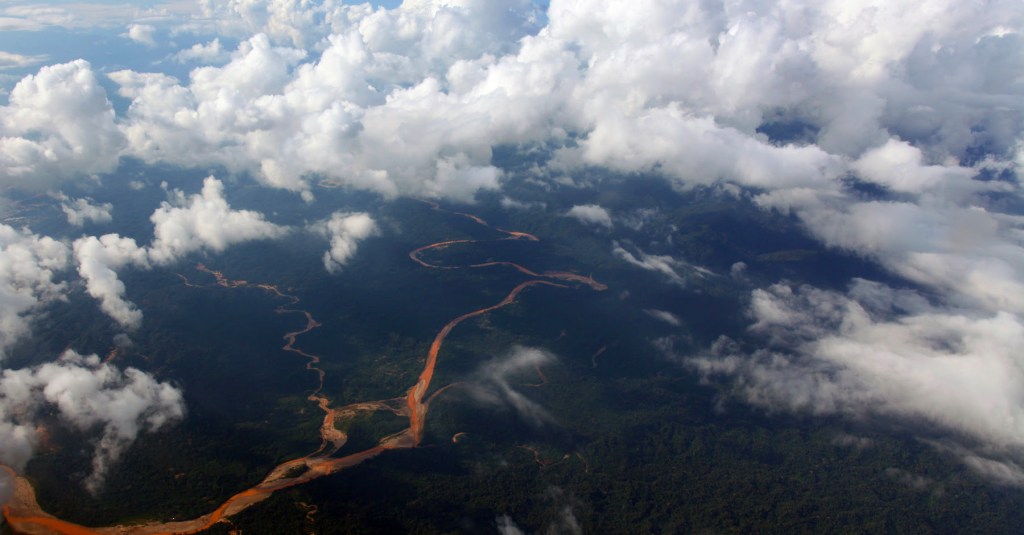
Despite the beautiful landscapes and animals in the Amazon, it also suffer from some human activities.
Amazon Rainforest is under threat of the following:
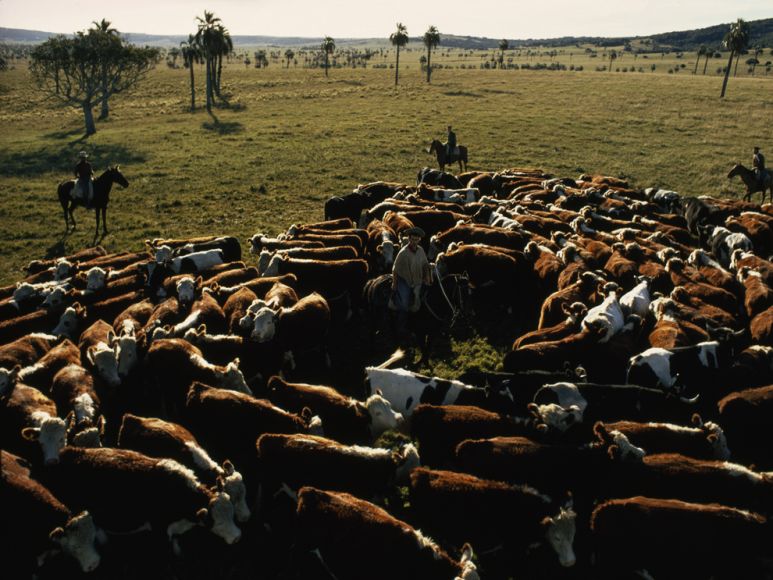

Ranching and Agriculture
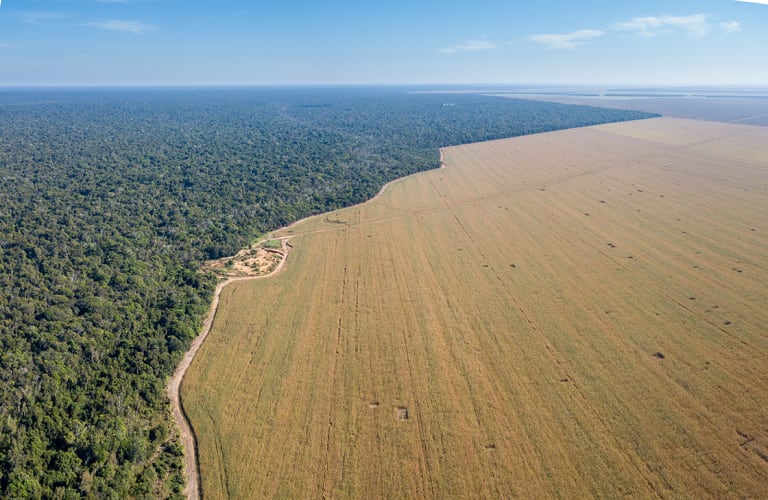
The world’s rainforests are constantly being cleared to create place for the cultivation of livestock and the production of crops, mainly soy. Due to the eradication of poverty in numerous regions of the world, including Asia, Africa, and South America, this has gotten worse recently.
Every citizen has the right to a life of dignity and opportunity, but the rate of population expansion, and particularly the rate of meat consumption, is gravely harming the Amazon. Small farmers are also displaced by these expanding industries, which forces them into forested regions that they must clear in order to survive.
Solution: Introduce plants and animals that do not require big areas of land and quickly deplete it as a solution. To ease the strain on fragile ecosystems abroad, think about cutting back on your beef intake and consider joining the local food movement.
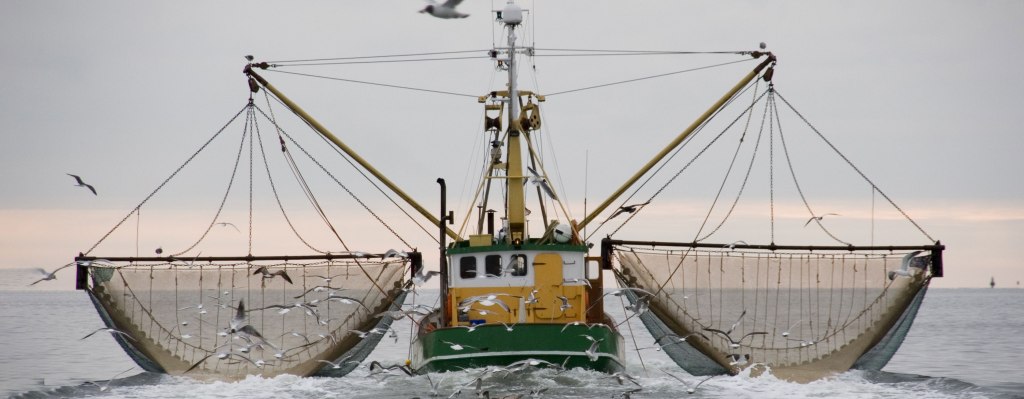
Commercial Fishing
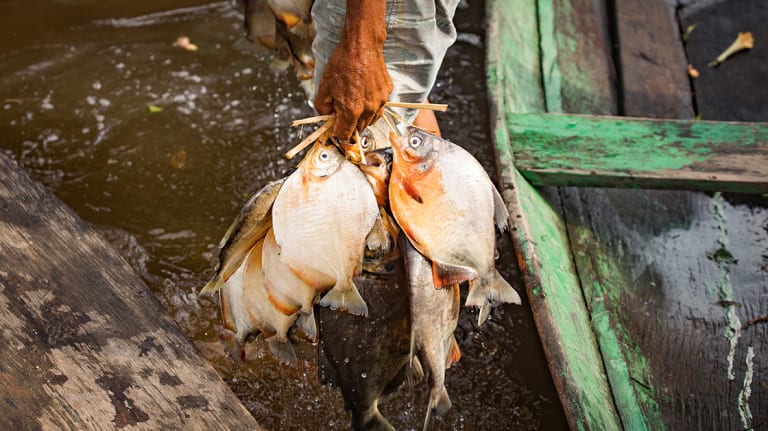
For many Amazonians, the fish in the Amazon rivers are their primary source of food and money. However, the amount of fish required to sustain an expanding population could result in overfishing, particularly if significant companies are catching fish to export to overseas markets. Large, industrial trawlers equipped with gill nets take up entire schools of fish in several areas of the Amazon in a completely unsustainable effort to get food to market.
Solution: Introduce commercial fishing regulations and quotas to avoid massive decreases in fish populations. Set aside reserves, off-limits to large vessels, which will enable traditional fishermen to continue to earn an honest livelihood.
Poaching
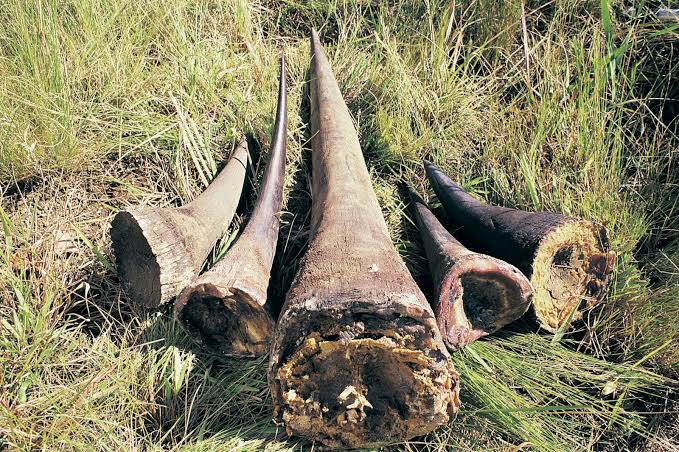
Animals are frequently hunted illegally so that they can be sold as food or as raw materials for completed goods. Animals like the “Paiche,” the enormous Amazon river turtle, and the Amazon manatee are becoming extinct in the wild.
Solution: Although this is an undoubtedly general remark, provide new, eco-friendly means of livelihood for Amazonians.
Bio-Piracy and Smuggling
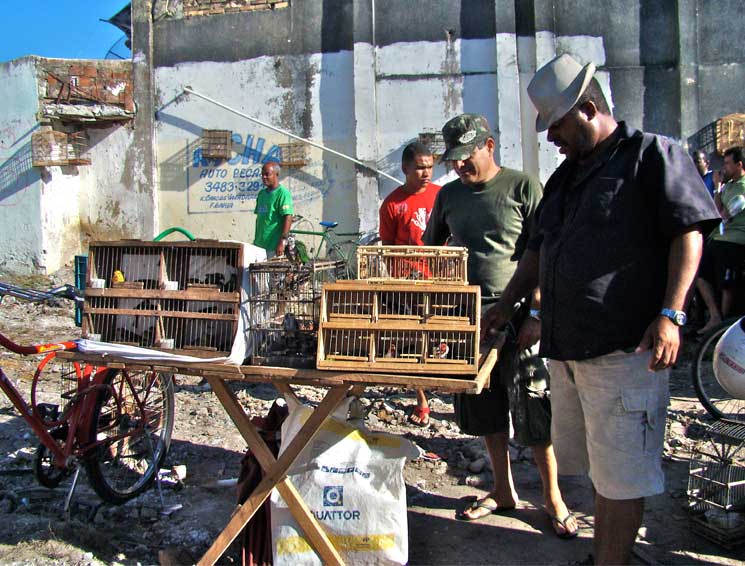
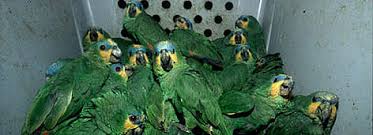
For use as pets, food, and medicine overseas, people take plants and animals from the Amazon and sell them. Trade in these animals causes wild population losses, usually impacting animals already vulnerable by habitat loss and pollution, and foreigners do not share the substantial benefits from these goods with the country of origin.
Solution: Exporting and importing countries are enforcing strict penalties against smugglers.
Damming
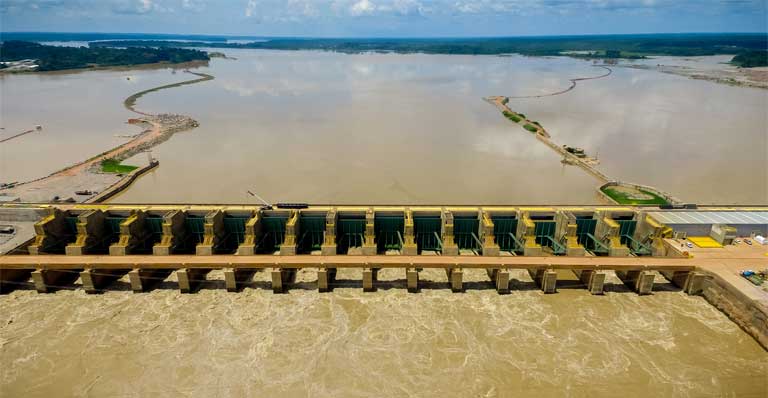
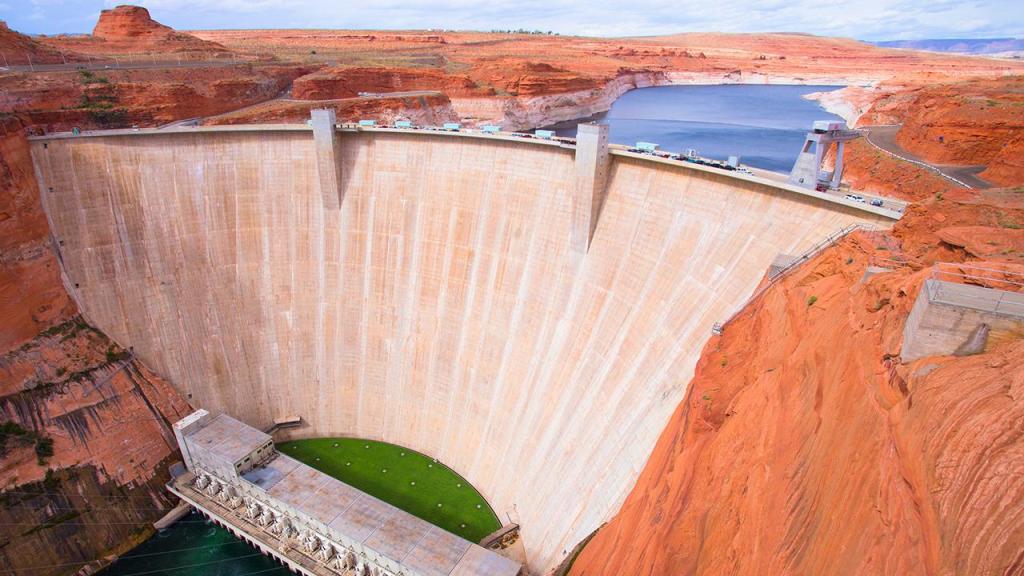
Global forest destruction is a result of international aid and development agencies like the World Bank. The dams have the effect of destroying aquatic habitats and affecting fish populations, displacing indigenous peoples, and adding carbon to the atmosphere, in addition to flooding large tracts of rainforest and killing off local wildlife (dams in the Amazon are typically ecologically inefficient because large tracts of forest are flooded due to the flatness of the basin) (as the submerged wood rots).
Solution: Before being approved, every hydroelectric project must undergo a thorough evaluation and environmental impact assessment. It is important to look into new energy options that lessen environmental harm.
Logging
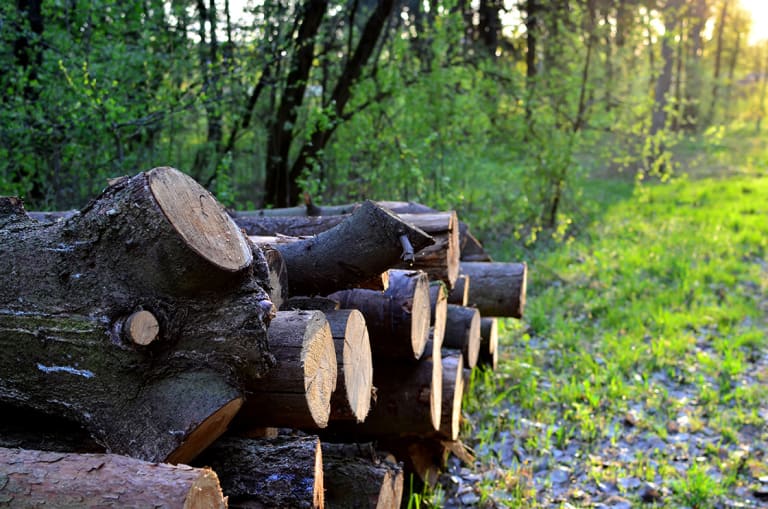
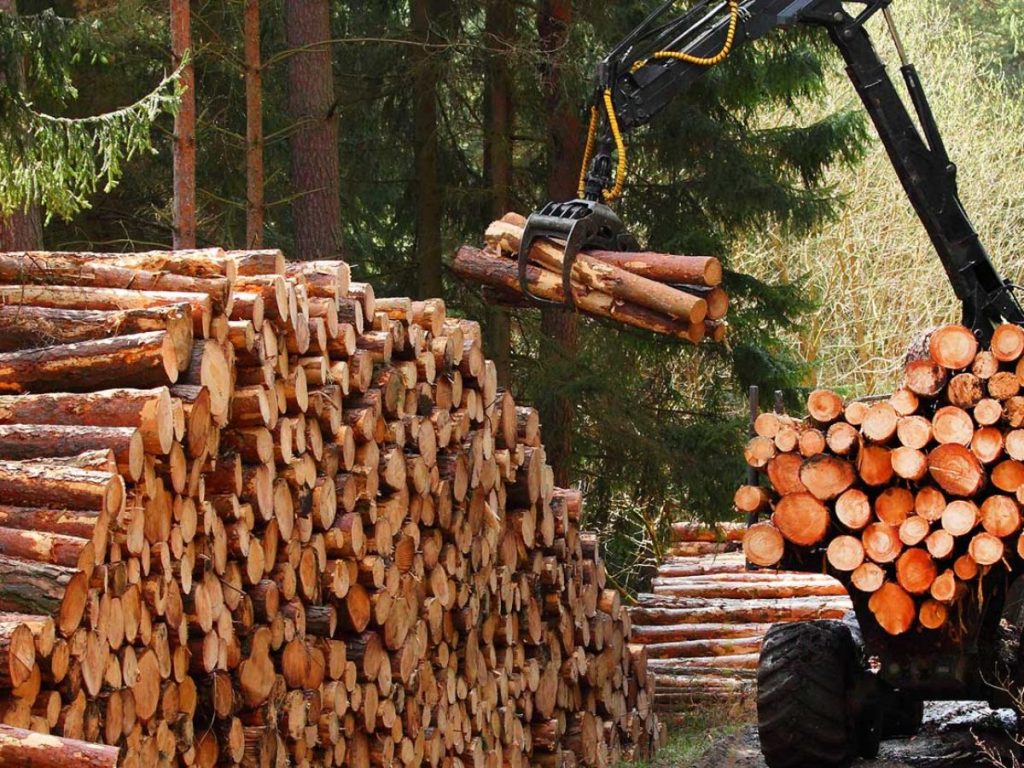
Wood from hardwood trees is used to make furniture, charcoal, and building materials. The soil washes into the river and suffocates fish when there are no trees to hold it in place. Loggers frequently use fictitious licenses, disregard the restrictions on legitimate permits, cut legally protected species, and steal from indigenous lands and protected regions while working in isolated forest areas.
Because of the remoteness of the logging sites, the underrepresentation of federal environmental agencies, and a convoluted chain-of-custody in the cutting, hauling, and transport of the logs, these are frequently small or medium-scale operations that are able to elude notice.
Solution: Boost government spending on tree planting and forest protection. spreading awareness among people that forests are essential for maintaining the climate, storing carbon, generating rainfall, enabling for the sustainable exploitation of forest products, and serving as a habitat for many creatures.
Mining
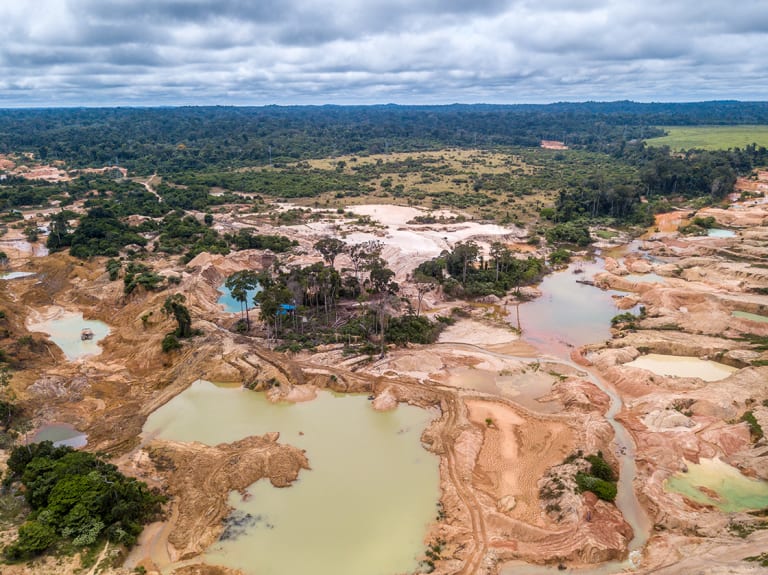
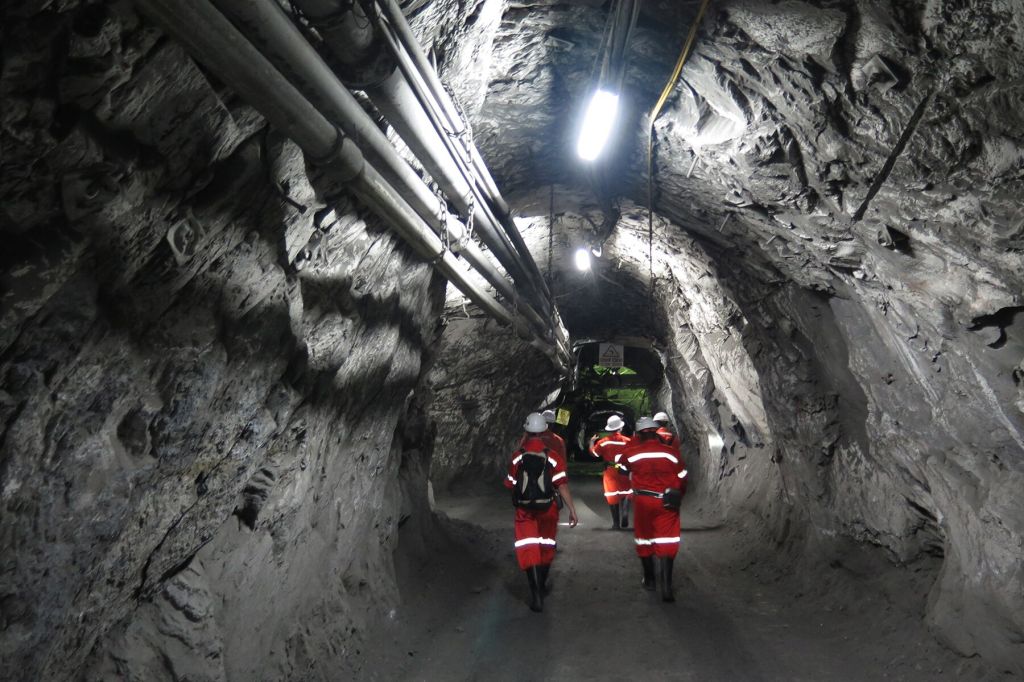
Minerals extracted in the Amazon basin are used to manufacture many common items. When miners dump dangerous chemicals and sediment into waterways, fish perish. Construction of access roads into distant places is frequently required by mining enterprises, giving loggers, poachers, and ranchers access to lands that would not otherwise be reachable.
Solution: Make mining corporations abide by stricter environmental protection laws

What laws are there to protect the Amazon rainforest?
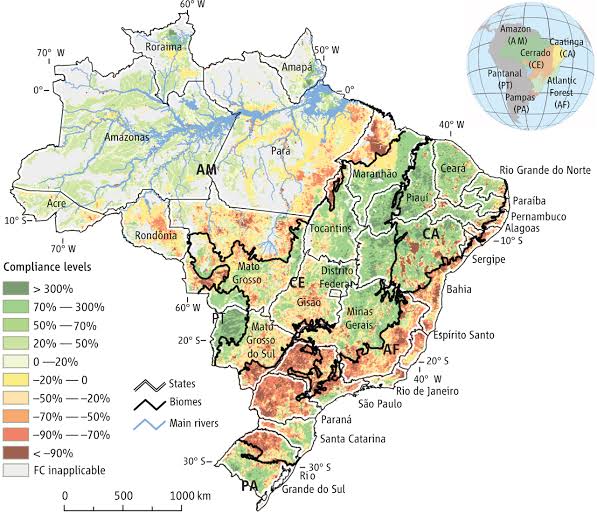
A rule mandating Amazonian landowners to retain 35 to 80 percent of their property in native vegetation was originally drafted and adopted by Brazil in 1965. Therefore, although all types of rural farmers can purchase land in the Amazon, they can only farm 20% of it.
7 steps you can take to help save the Amazon and the world’s rainforests, from the Rainforest Action Network.
- Reduce your paper and wood consumption.
- Reduce your oil consumption.
- Reduce your beef consumption.
- Hold businesses accountable.
- Invest in rainforest communities.
- Support the grassroots.
- Support Rainforest Action Network and Amazon Watch
References:
Threats Facing The Amazon Rainforest
https://www.google.com/amp/s/rainforests.mongabay.com/amazon/amazon_climate_change.html
Biodiversity and the Amazon Rainforest

 Clev Heart Blog